A trip to Musselburgh Lagoons
On Saturday, I took a day trip just outside of Edinburgh to visit one of the best birdwatching destinations in Scotland. What was really impressive about it, was that the lagoons were not always a place of beauty, in fact, the complete opposite. The artificial lagoons started off as a disposal site for ash from a nearby power station, and have since been transformed into a beautiful coastal haven. So, I thought I should probably give it a visit before the Scottish winter beats me to it!
The area features a bird nature reserve, formally known as Levenhall Links. At first, it looks like a small woodland, where the lagoons are only revealed once you enter one of the outdoor bird hides, of which there are three or four. On a sunny day, it is beautiful.
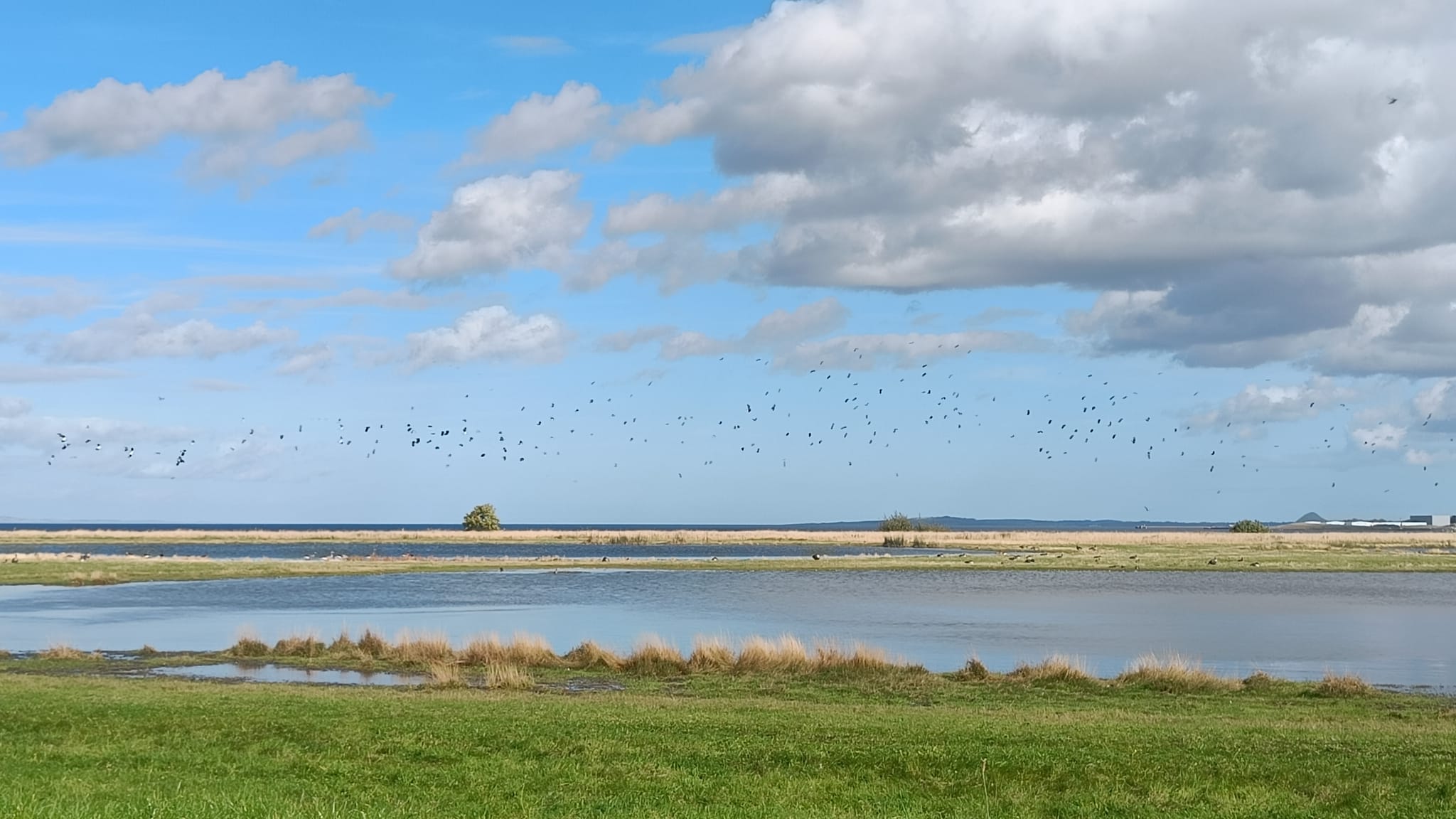
Above is a picture of the lagoon. If you zoom in, you might just be able to make out a flock of birds flying over. It doesn’t look like much, so you’ll just have to believe me, there were hundreds of birds. Some on the ground, others flying in a swirling murmuration. My first thought was that I need to figure out what these birds are!
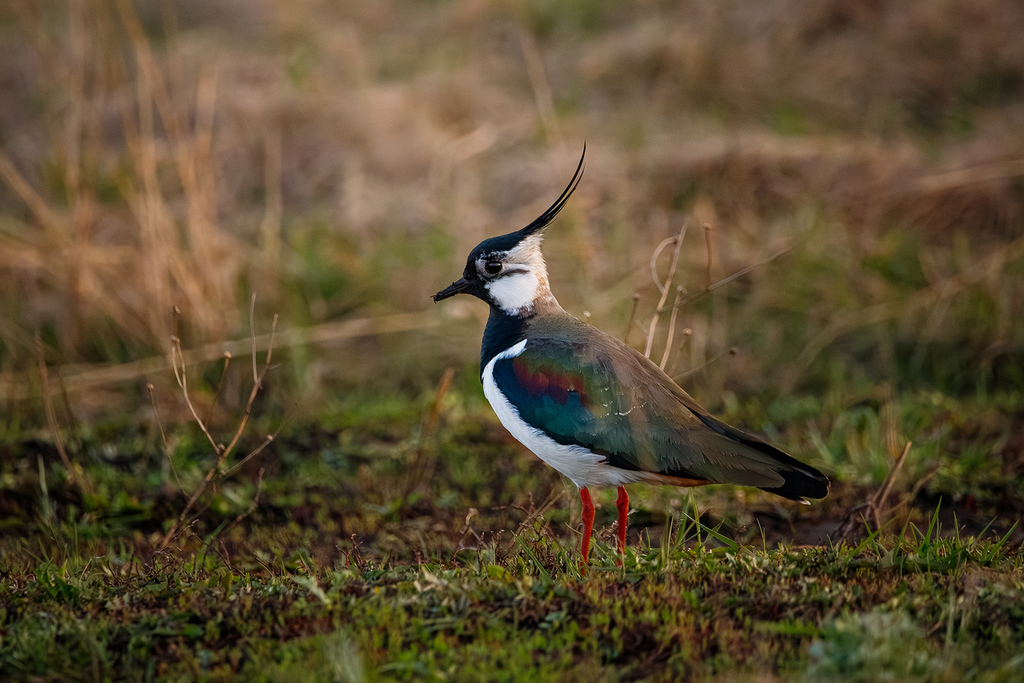
These flying birds are lapwings, and they are shown up close below. They look especially pretty, and have elegant crests and green iridescent feathers. A fun fact about them is that they have really bizarre calls, sounding something like a metal detector. (Click the link if you fancy a listen.)
Now imagine hundreds of them!
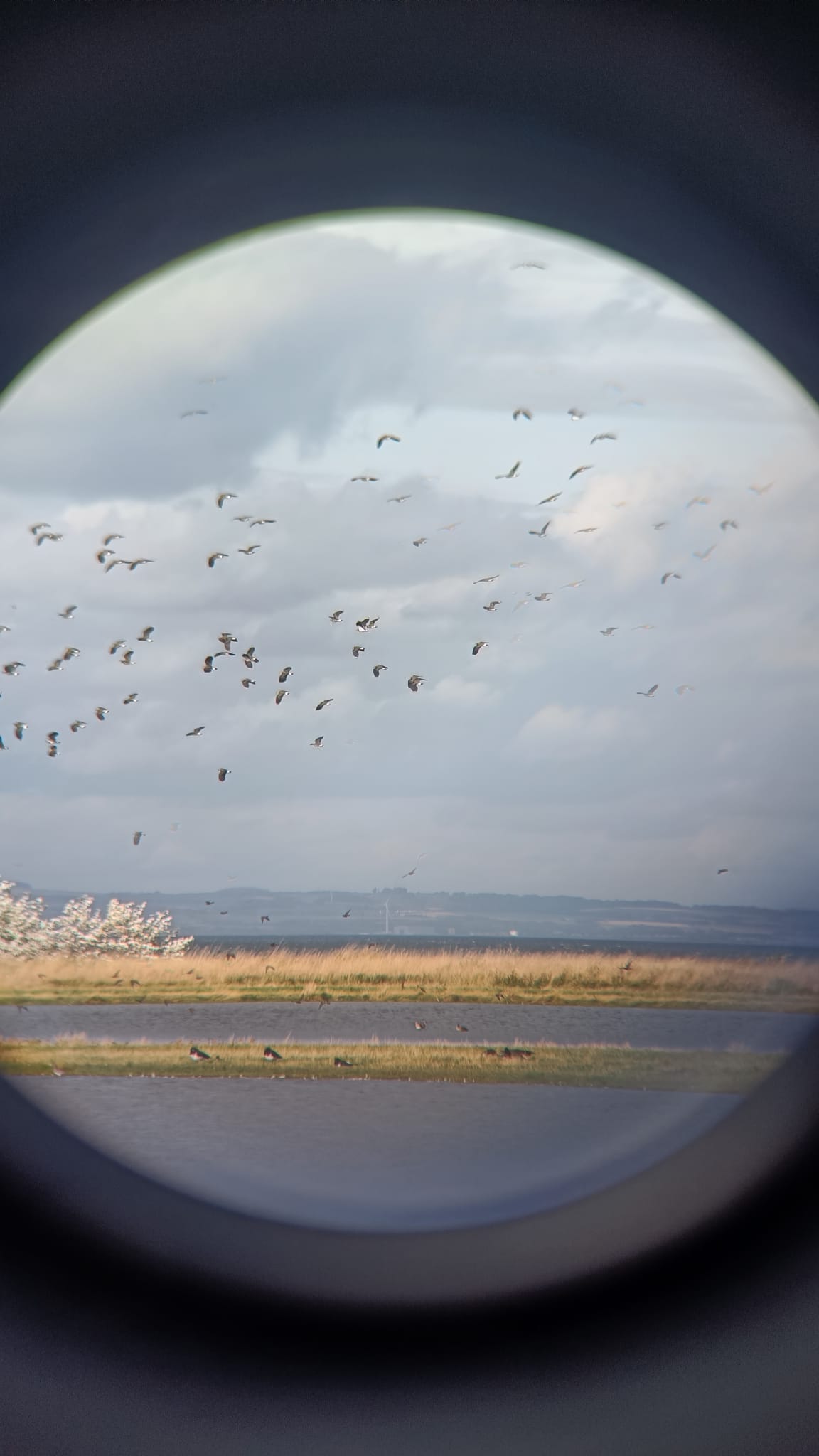
After identifying the lapwings, as well as many greylag geese, my bird ID skills were put to the test by all the similar-but-different waders. Sometimes I’d overhear someone else in the hide saying names of birds, so it helped to have some clues! Another wader that I managed to spot is the curlew, which is actually the icon for this blog. These birds are year-round residents to the lagoon, and are identified by their large size and exceptionally large beaks.
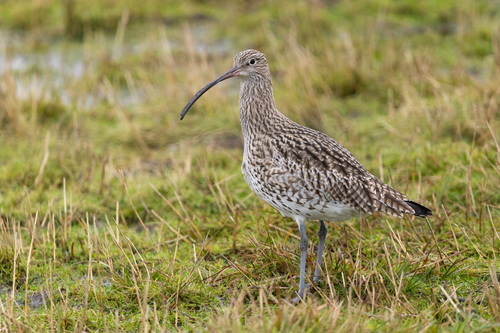
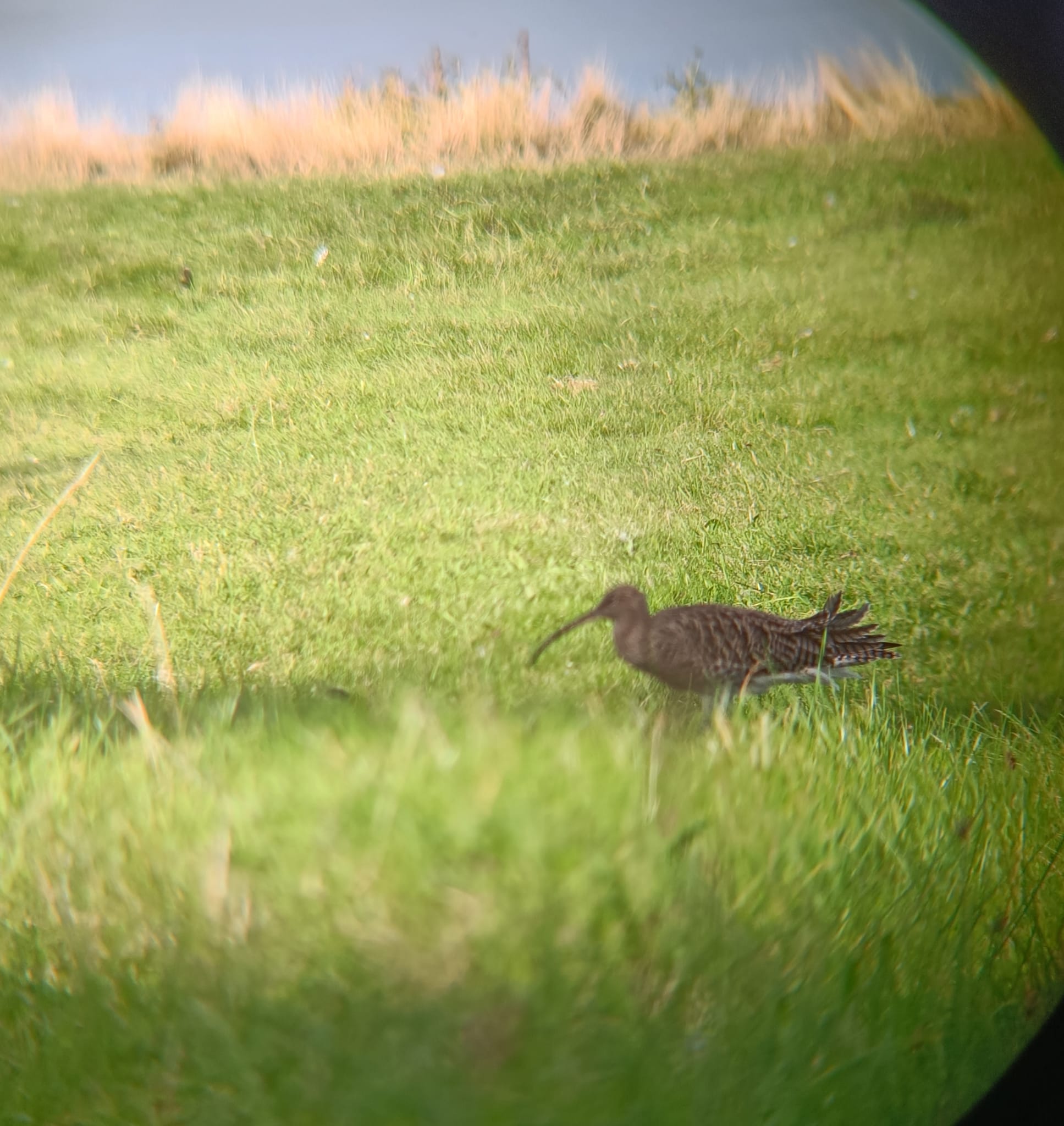
Unfortunately, both of these wading birds are on the IUCN Red List of threatened species, meaning they have seen large population decline in the last decades. I’d highly recommend a trip to your local nature reserve to see them! What struck me was that these birds seem to concentrate exactly around the lagoons, and in a 5 minute walk away from the reserve I couldn’t see any trace of them. As I found out, it’s also best to plan to visit around high tide, when birds will be closer to the hides.
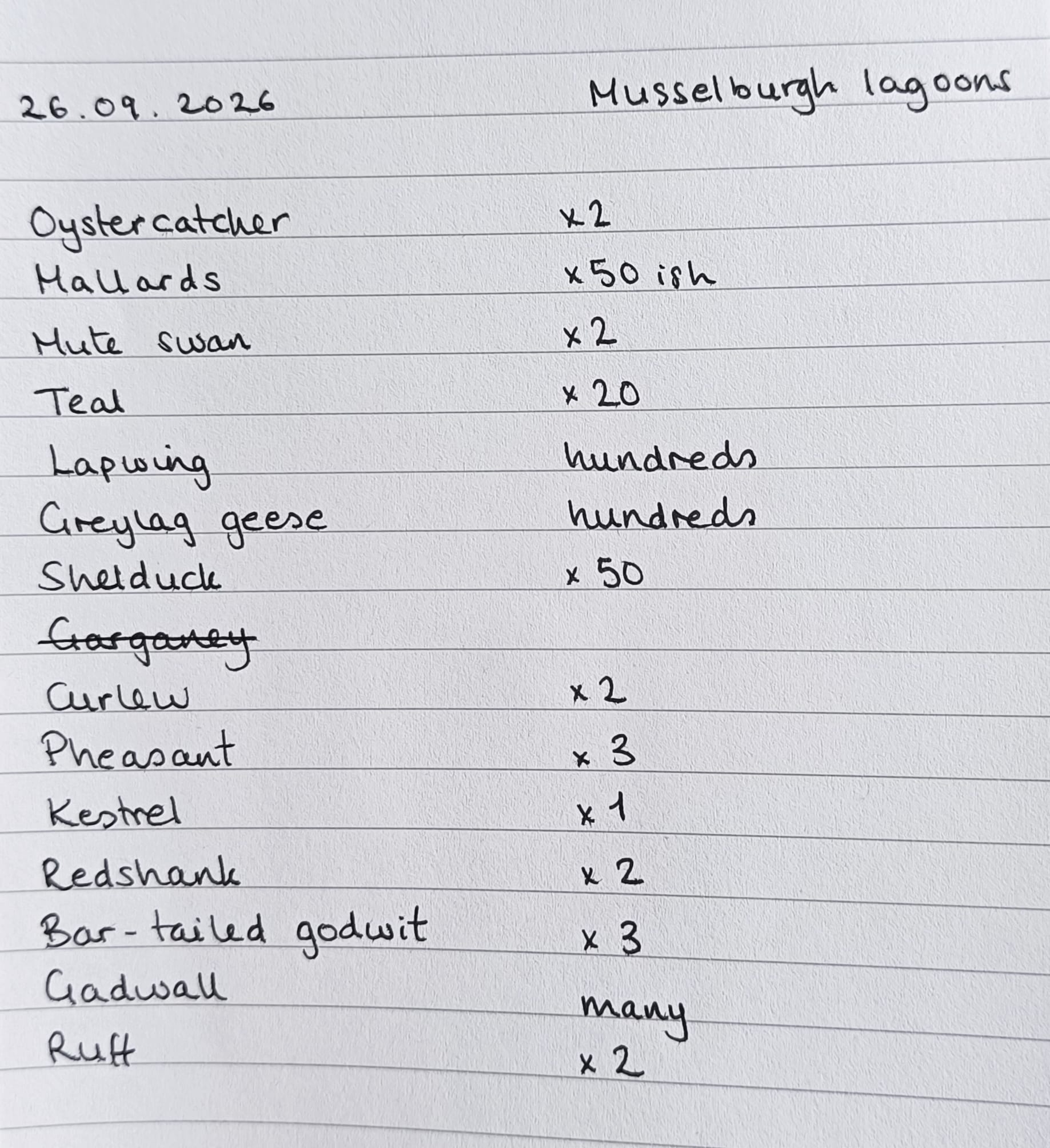
With a moderate amount of confidence(!), here are my notes from the other day, written up neatly.