Autumn Migration: who's in, who's out?
Migration is one of nature’s most astonishing phenomena. And right now, we are right in the middle of it. Without us realising, thousands of birds are on the move, making extraordinary cross-continental journeys. To put it in perspective, the pied flycatcher weighs less than two £1 coins, and travels a ~5000 km migration route! (That’s a lot of parkruns.)
In this article, we discuss which species are arriving, which are leaving, and how we can make the most of the migration season.
1. Winter visitors
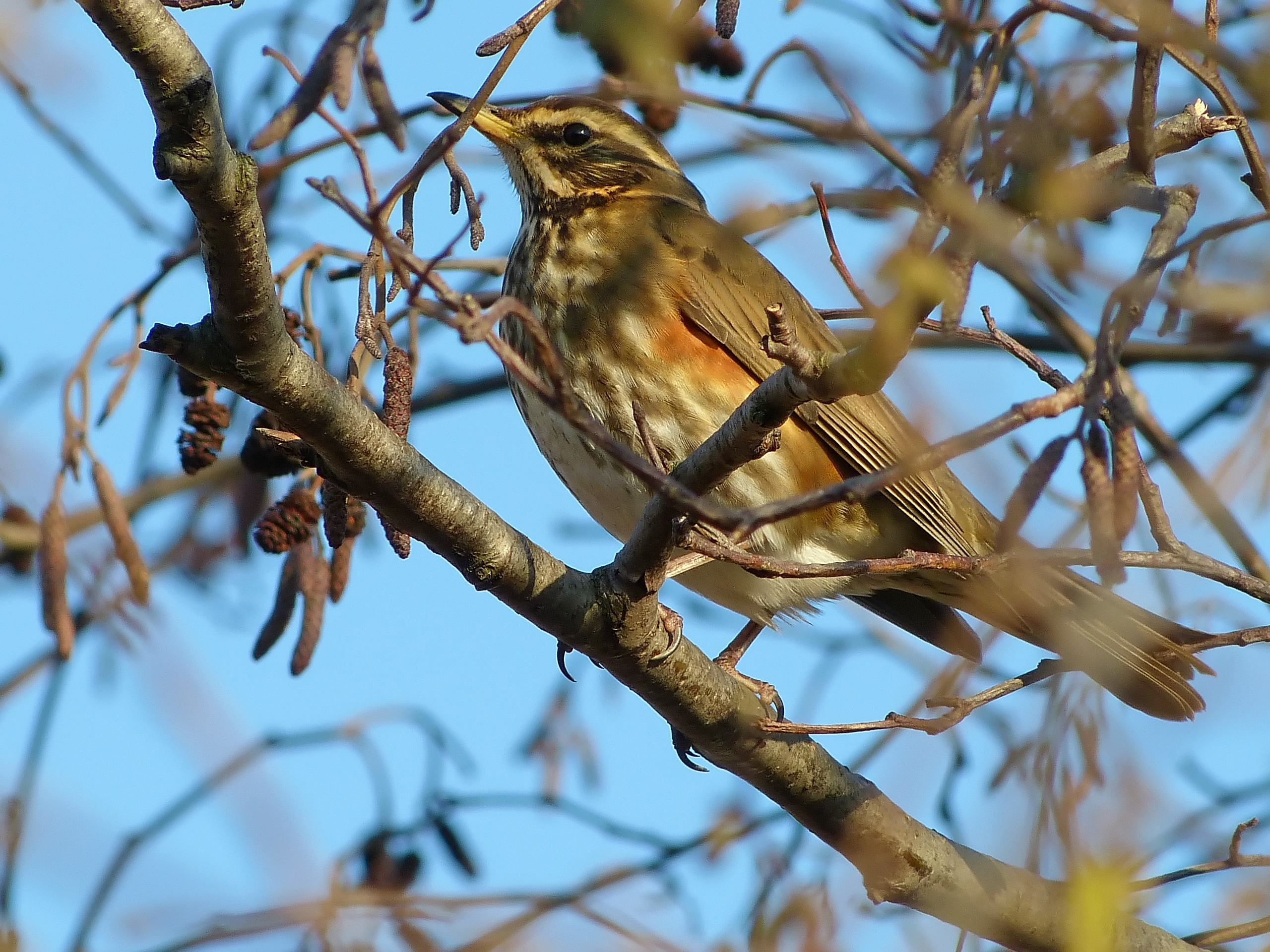
On the arrivals board to the UK, there are a host of waders, waterfowl and thrushes that make their way from Iceland and Scandinavia. Most waterfowl need to escape freezing temperatures to ensure that their watery habitat is not frozen over, and so they can continue hunting for food.
In Edinburgh, one can keep an eye out for redwings and pink footed geese!
.jpg)
2. Summer migrants
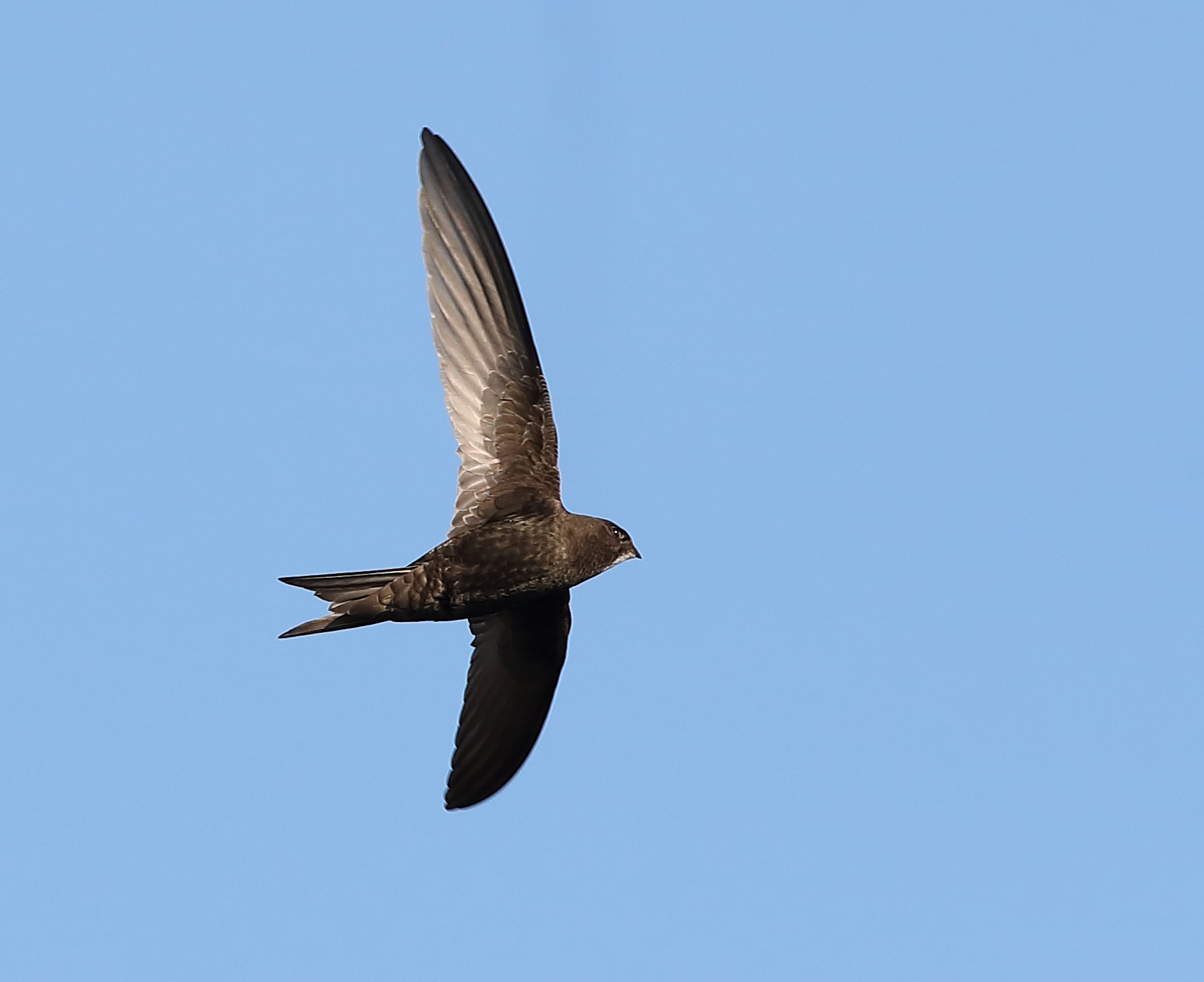
Exiting the UK are swallows, swifts and cuckoos, heading as far as South Africa. Around this time of year, you might have seen swallows gathering on telephone lines — this is likely a pre-migratory gathering! Among these birds are some impressive endurance athletes: swifts can fly more than 800km in a single day, with their journeys totalling up to 15000km!
In East Lothian, a coastal area called Barns Nest has often been on the migration route, spotting many rare species including the pied flycatcher and icterine warbler.
_Common_Swift.jpg)
If you’re interested in spotting new birds, migration gives a great opportunity to spot species you haven’t seen before. Here’s some tips how…
- Visit bodies of water to see arrival waterfowl and waders. Near Edinburgh, I’m keen to visit Musselburgh Lagoons and Aberlady Bay!
- Many birds migrate at night, so going birdwatching first thing in the morning (one of the few things that can pull me out of bed!) is a great way to see new arrivals or birds that have been blown off course. If there was strong winds or a storm the night before, even better!
- You can also time your outings according to the weather. A cold front of wind from the north may be just what it takes to push a flock of birds south.
In the next one, I’ll do a more science-based deep dive into migration and how birds navigate the flyways. Stay tuned!